
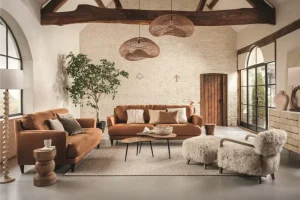
The Art of Eco-Friendly Living: Exploring Sustainable Furnishings
- Home
- Single Blog

The Art of Eco-Friendly Living: Exploring Sustainable Furnishings
In an era when environmental consciousness is more critical than ever, sustainable living practices are gaining prominence. One significant aspect of this movement is sustainable furnishings – a concept that combines art, design, and eco-friendly principles to create a harmonious living space. In this article, we’ll explore the art of eco-friendly living through the lens of sustainable furnishings, shedding light on its significance, key elements, and the benefits it offers to both homeowners and the planet.
Understanding Sustainable Furnishings
Sustainable furnishings, often referred to as eco-furniture, represent a commitment to responsible and environmentally-friendly design and manufacturing. These pieces are created with a focus on reducing environmental impact at every stage of their life cycle, from material sourcing and production to transportation and end-of-life disposal.
Key Elements of Sustainable Furnishings
- Material Selection: Sustainable furnishings are crafted from renewable and eco-friendly materials such as reclaimed wood, bamboo, recycled metal, and organic fabrics. These materials reduce the demand for virgin resources and promote responsible harvesting.
- Durability: The longevity of sustainable furniture is a core principle. These pieces are designed to withstand the test of time, reducing the need for frequent replacements and minimizing waste.
- Low-Impact Production: Manufacturers of sustainable furnishings prioritize low-impact production processes that minimize energy consumption, emissions, and waste generation. They often use water-based adhesives and finishes to reduce toxic emissions.
- Local Sourcing: Sourcing materials and manufacturing locally reduces transportation-related emissions and supports local economies.
- Upcycling and Recycling: Many sustainable furnishings incorporate upcycled or recycled materials, diverting waste from landfills and breathing new life into old objects.
- Fair Labor Practices: Ethical manufacturing practices ensure that workers receive fair wages and work in safe conditions, aligning with principles of social sustainability.
The Benefits of Sustainable Furnishings
- Reduced Environmental Impact: Sustainable furnishings help reduce deforestation, limit the carbon footprint, and decrease waste in landfills. By choosing eco-friendly pieces, you contribute to a healthier planet.
- Improved Indoor Air Quality: Many sustainable furnishings use non-toxic and low-VOC (volatile organic compound) materials, leading to improved indoor air quality and a healthier living environment.
- Long-Term Savings: While sustainable furnishings might come with a slightly higher initial cost, their durability and quality can lead to long-term savings by eliminating the need for frequent replacements.
- Support for Ethical Practices: Choosing sustainable furnishings supports ethical labor practices and responsible manufacturing, ensuring that workers are treated fairly.
- Stylish and Unique Design: Eco-furniture doesn’t sacrifice style for sustainability. These pieces often feature unique, artistic designs that can be the focal point of your home decor.
Incorporating Sustainable Furnishings into Your Home
- Research and Selection: Take the time to research sustainable furniture options and choose pieces that align with your design preferences and ethical values.
- Mix and Match: Sustainable furnishings can complement a variety of design styles, so don’t be afraid to mix and match with your existing decor.
- Customization: Some manufacturers offer customization, allowing you to tailor your sustainable furnishings to your specific needs and preferences.
- Maintenance: Proper care and maintenance can help extend the life of your sustainable furnishings. Follow care instructions to ensure they remain in top condition.
In conclusion, sustainable furnishings offer an elegant and eco-conscious way to decorate your home. By choosing these pieces, you contribute to a greener planet, healthier living spaces, and the support of ethical practices in the furniture industry. The art of eco-friendly living is not just about design; it’s about making responsible choices that benefit us and the environment we call home.
Share This :
Search
Recent Post